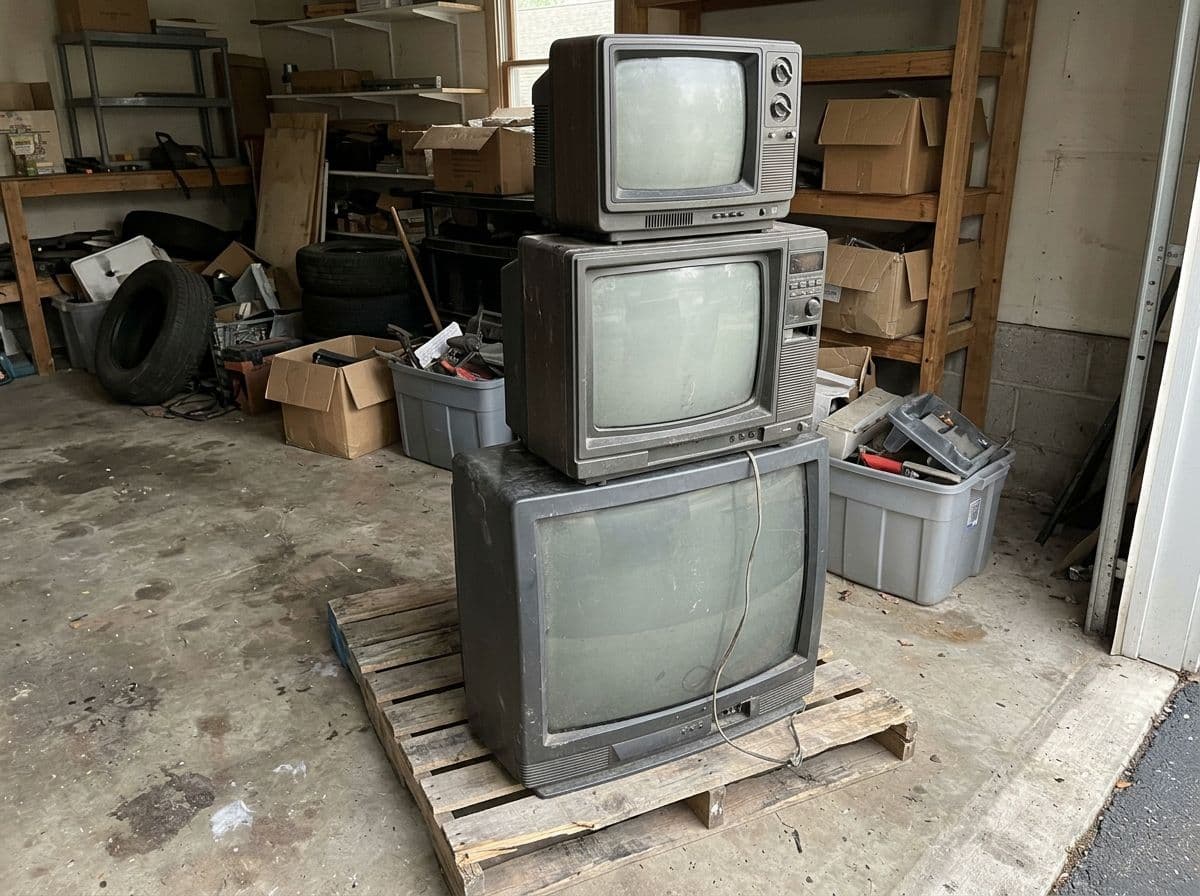
The short answer. A Georgia business disposes of CRT televisions by keeping the tubes intact and sending them to a recycler that handles leaded glass under the federal CRT rule. American Resources picks up CRT TVs from businesses across metro Atlanta.
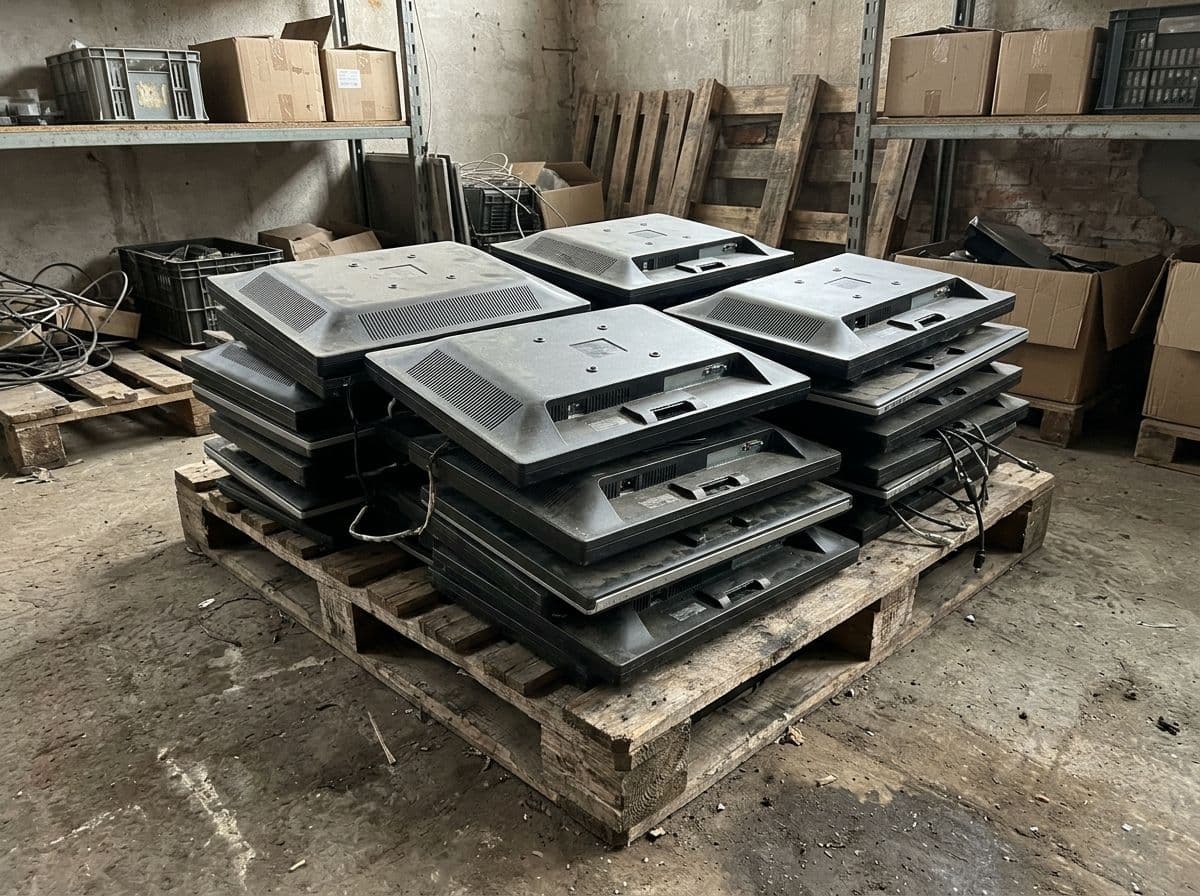
Tube televisions still come out of hotels, schools, waiting rooms and back offices, and they are the one common device that county sites in metro Atlanta actively push back on. Cobb County's electronics page says it plainly: "Televisions will not be recycled and are subject to regular tipping floor fees."
#Why CRTs are different
The glass in a cathode ray tube contains lead. The federal CRT rule treats used CRTs that are being recycled as conditionally excluded from hazardous waste regulation. The EPA's wording is that used intact CRTs are "conditionally excluded from hazardous waste regulation within the United States as long as they are not disposed or speculatively accumulated." Two words carry the weight: recycled, and intact.
Used broken CRTs have their own conditions. The EPA lists six, including that they are "stored in a building with a roof, floor and walls or placed in a container that meets the regulatory requirements," labeled, transported in a compliant container, not speculatively accumulated, processed only indoors, and not exposed to temperatures high enough to volatilize lead. For a business, the practical translation is: keep the tubes whole, keep them dry, and hand them to someone who is actually going to recycle the glass.
#Households versus businesses
The CRT rule draws a line most people do not know about. "Used CRTs discarded by households are considered 'household hazardous waste' and are exempt from hazardous waste regulations." Businesses are not households. The same TV that a resident can take to a household hazardous waste event is a regulated item when it leaves a hotel storeroom.
#Export
Some of the cheapest CRT "recycling" offers move tubes overseas. Used CRTs exported for recycling require a notification to the EPA, and the agency says "exporters must send the notification to EPA's Office of Land and Emergency Management." A recycler who cannot tell you where the glass goes is a recycler whose paperwork you cannot rely on.
#Options in Georgia
County transfer stations accept some electronics for a fee, and in Cobb's case explicitly will not recycle TVs. Retail take-back programs are built for one set at a time and usually exclude CRTs by size. For a storeroom full of tube sets, a commercial pickup that separates CRTs, keeps them intact, and lists them on a manifest is the route that works at volume.
Georgia has no state statute specific to business e-waste; the state's hazardous waste rules incorporate the federal rules by reference, so the CRT rule is the rule that applies here. More in our Georgia e-waste regulations guide.
#Before the pickup
Count the sets. Note any with cracked screens. Do not break tubes to save space. Keep them indoors and off wet ground. Tell the recycler the count and the largest screen size so the right truck comes.
Need it collected? American Resources picks up business electronics across metro Atlanta and destroys data-bearing media before anything is processed. Request an electronics recycling quote or send a rough inventory through the contact form.