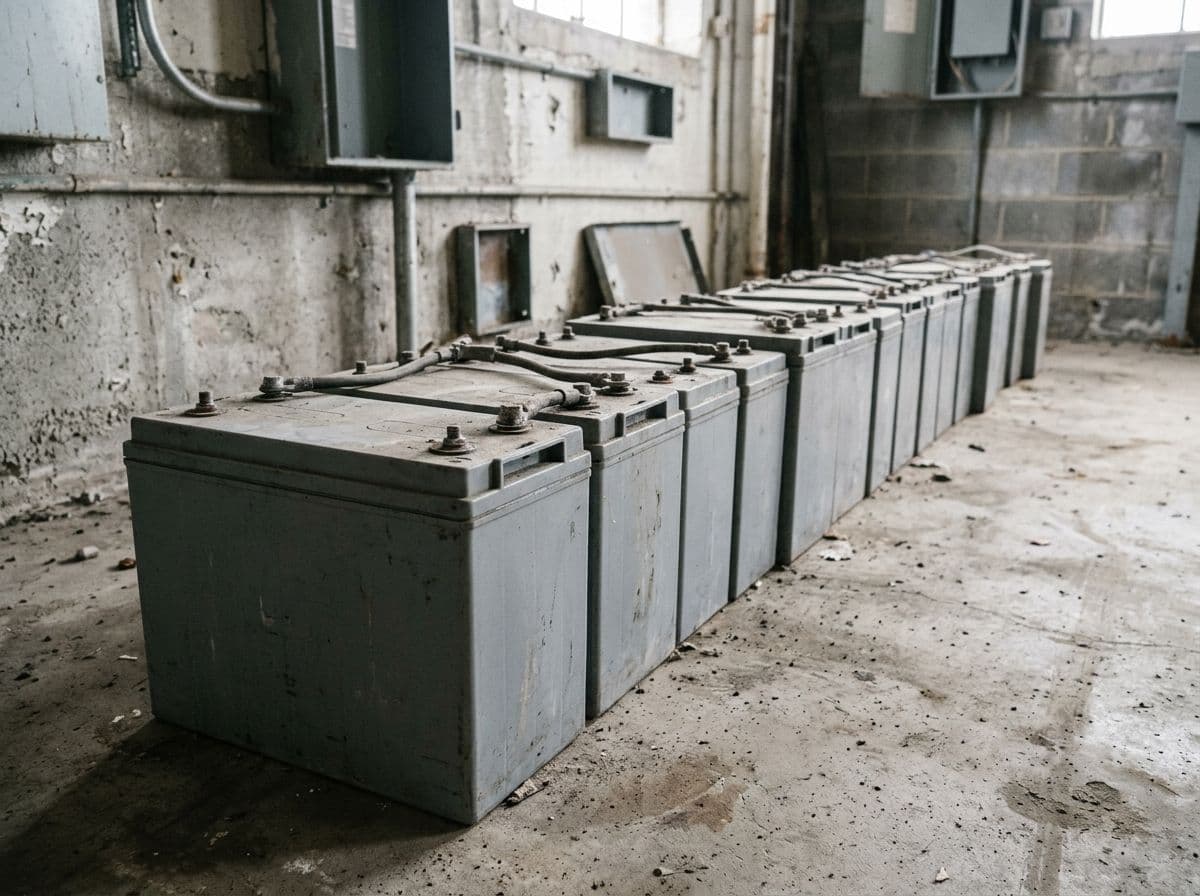
The short answer. A Georgia business disposes of UPS batteries by treating the sealed lead-acid cells as regulated batteries that never go in the dumpster and routing them to a recycler. American Resources picks up UPS units and their batteries from businesses across metro Atlanta.
Uninterruptible power supplies are replaced on a schedule, and the old units pile up in server rooms because nobody is sure what to do with the batteries. Here is what applies.
#Which battery is in the UPS
Most office and rack UPS units use sealed lead-acid batteries. Newer units increasingly use lithium-ion. The label on the battery pack or the unit's spec sheet says which. The two are handled under different rules, so sort before you call.
#Lead-acid UPS batteries
Under the federal rules, spent lead-acid batteries that are sent for reclamation are managed under 40 CFR part 266 subpart G; those that are not managed under that subpart fall under the universal waste rules in 40 CFR part 273. Either way, the battery goes to a facility that recovers the lead. It does not go in general waste.
Georgia's own statute on lead-acid batteries is narrower than people assume. O.C.G.A. 12-8-28 says "no person may place a used lead acid vehicle battery in mixed municipal solid waste or discard or otherwise dispose of a lead acid vehicle battery except by delivery to a battery retailer or wholesaler, to a secondary lead smelter, or to a collection or recovered materials processing facility." The wording is "vehicle battery." A stationary UPS battery is not named in that statute, so for UPS units the federal rules above are the ones doing the work. Georgia's hazardous waste rules incorporate those federal rules by reference.
#Lithium UPS batteries
The EPA's position on lithium-ion batteries is that most, when discarded, "would likely be considered ignitable and reactive hazardous wastes." They are a fire risk in trash and in ordinary recycling bins. Keep them in the unit or in a non-flammable container, keep terminals from touching metal, and tell the recycler the count and the chemistry before the pickup.
#The UPS unit itself
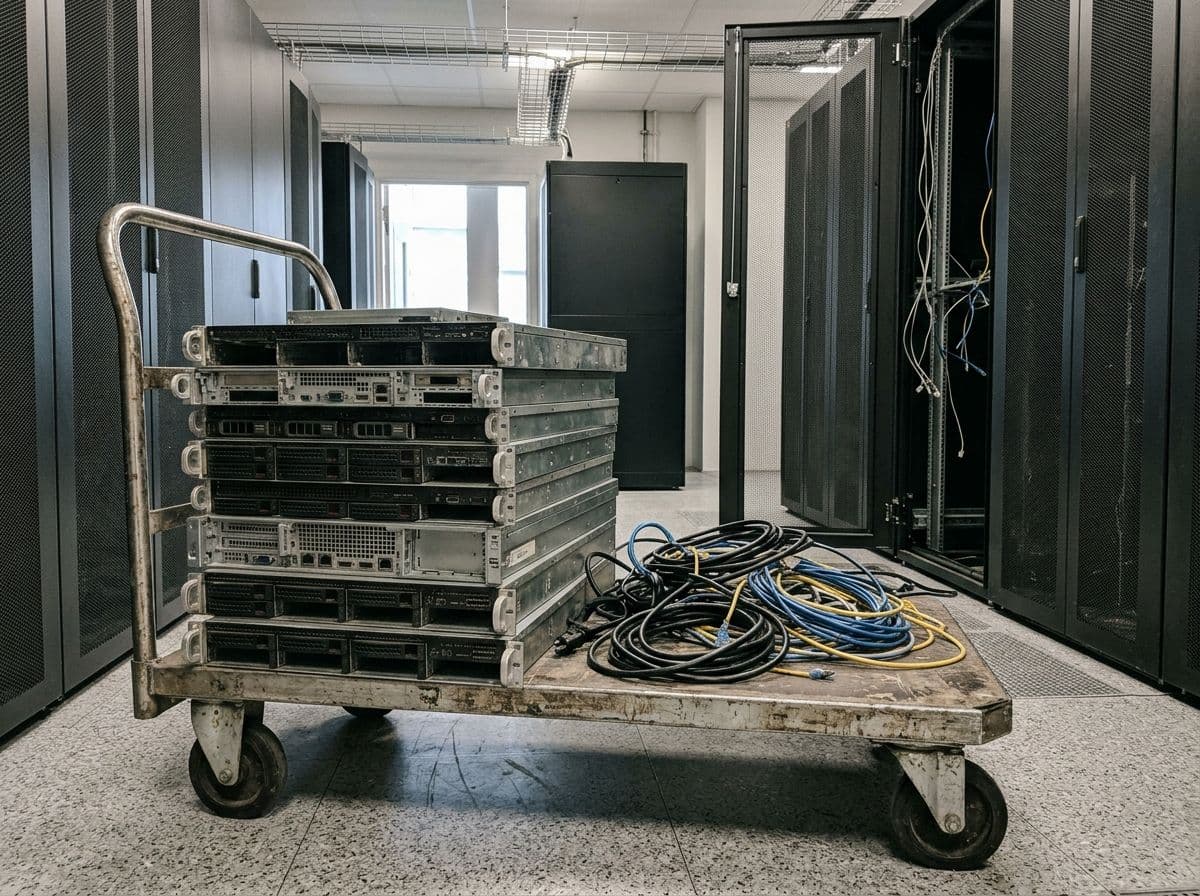
Once the battery is out, the chassis is ordinary electronics: a circuit board, a transformer, steel and plastic. It travels with the rest of the e-waste. A rack-mounted UPS is heavy; the weight is mostly the battery, and it is easier to move with the battery still inside than to swap it in the aisle.
#What the county sites do and do not do
Several metro counties accept electronics at their transfer stations for a fee. They are built for residents with a unit or two. They will not give you a manifest, and most are not set up for pallets of lead-acid packs. For anything beyond a couple of units, a documented pickup is the route.
#Before the pickup
Count units and batteries separately. Note the chemistry. Set aside anything leaking, cracked or swollen and say so. Do not stack lead-acid batteries loose on a pallet without a tray; acid and a forklift do not mix.
Need it collected? American Resources picks up business electronics across metro Atlanta and destroys data-bearing media before anything is processed. Request an electronics recycling quote or send a rough inventory through the contact form.